TL;DR: Professional carpet and upholstery cleaning uses hot water extraction to pull embedded soil, pet dander, and odor out of fibers that a home vacuum can’t reach. Most households need it every 12 to 18 months, sooner with pets, kids, or allergy sufferers. Offices and rentals with heavy foot traffic often need it two to four times a year. A trained technician should check the fiber and fabric type before choosing a cleaning method so nothing shrinks, discolors, or re-soils fast.
If your carpet still looks dull after vacuuming twice this week, or your sofa has started holding a pet odor that no spray seems to fix, you’ve hit the ceiling of what a home vacuum and spot-cleaner can do. Surface cleaning only lifts loose dirt sitting on top of the fibers. The soil, oils, and dander that work their way down to the carpet backing or the padding inside a cushion need hot water and suction strong enough to pull it back out. That’s the gap professional cleaning closes.
How Often Should Carpet and Upholstery Be Professionally Cleaned?
Most flooring manufacturers recommend professional carpet cleaning every 12 to 18 months for an average household, and every 6 to 12 months if you have pets, small children, or anyone with allergies or asthma in the home. Upholstery generally follows the same window unless it’s in a high-use room.
Pittsburgh’s older housing stock matters here. A lot of homes in neighborhoods like Shadyside and Squirrel Hill still have original wall-to-wall carpet laid directly over hardwood or original subfloor, and that carpet traps decades of dust differently than newer open-cell padding does. Steep driveways and hillside streets also mean more grit and road salt tracked in during the fall and winter months, which accelerates soil buildup in entryways and stairs.
For offices, waiting rooms, and rental turnovers, commercial traffic justifies a tighter schedule: quarterly to twice a year in high-traffic lobbies and common areas, and before every new tenant move-in for rental units. A dingy carpet or a stained reception-area sofa is one of the fastest things a visitor notices.
What’s the Difference Between Hot Water Extraction and Other Cleaning Methods?
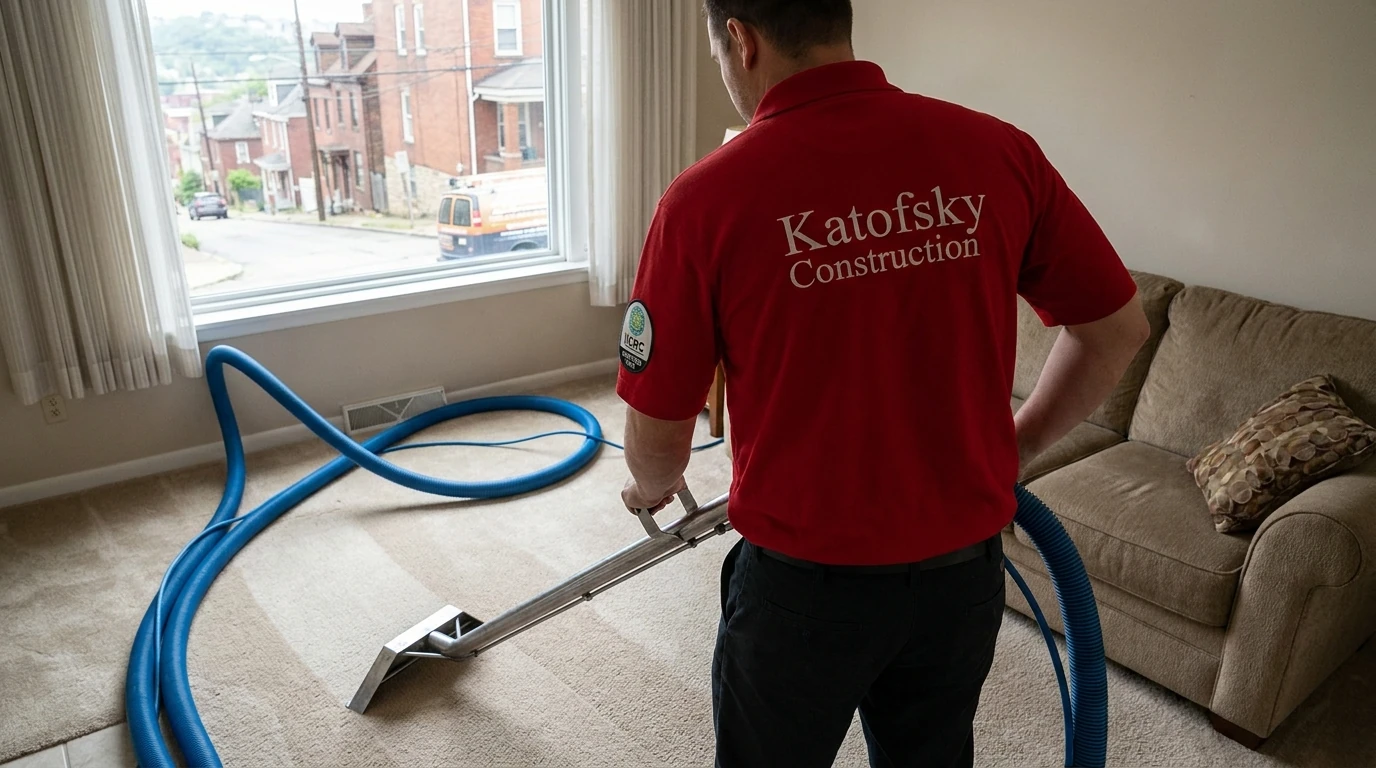
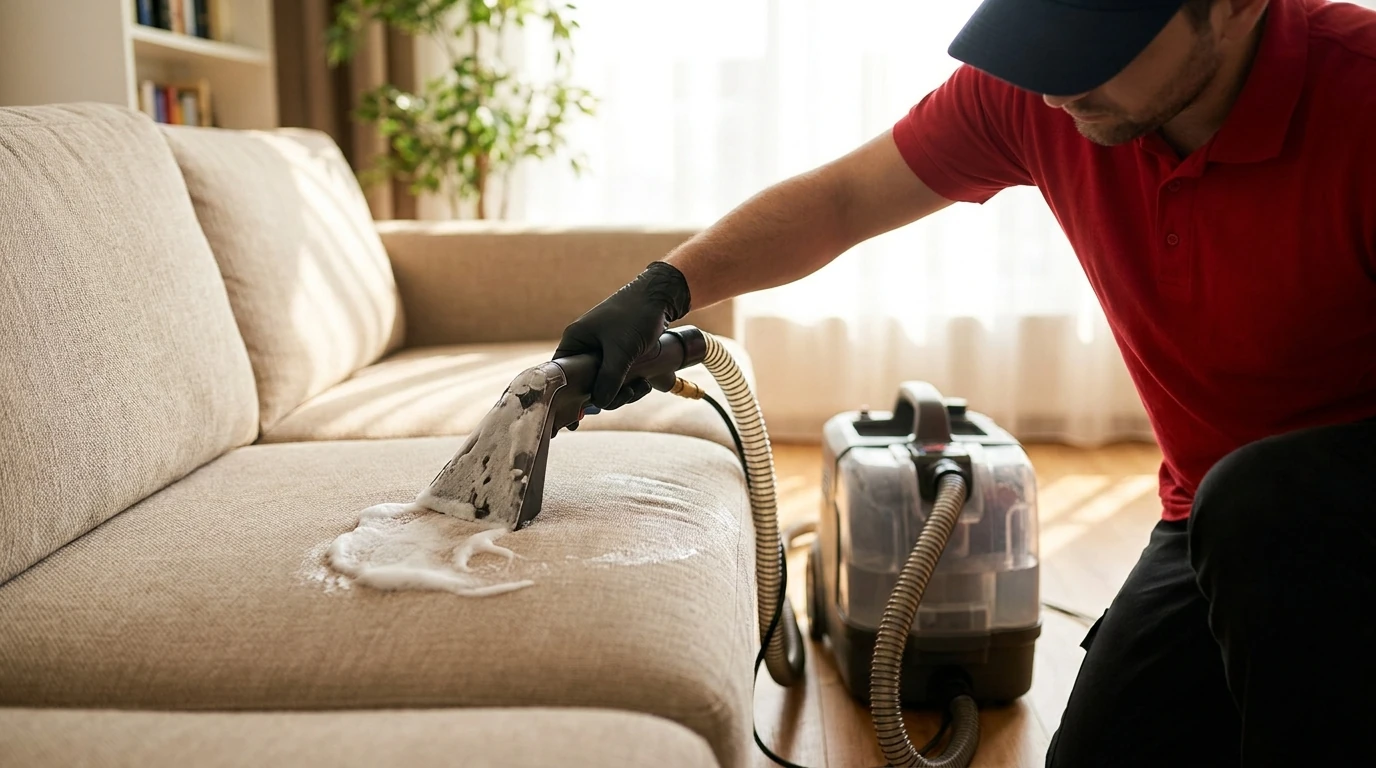
Hot water extraction, sometimes called steam cleaning, injects a heated cleaning solution deep into the carpet or upholstery fibers and immediately extracts it along with the loosened soil, using strong suction so almost no moisture is left behind to re-soil the fibers. It’s the method most carpet manufacturers specify to keep a manufacturer warranty intact, and it’s the approach used across IICRC-based cleaning training.
Low-moisture methods, like encapsulation or dry compound cleaning, use far less water and dry faster, which makes them a better fit for delicate natural-fiber rugs, antique furniture, or spaces that can’t be closed off to dry overnight. A technician should test the fabric or fiber first; synthetic upholstery usually tolerates water-based cleaning, while silk, some wools, and certain vintage fabrics call for a dry solvent approach instead.
The right call depends on the material, not a one-size-fits-all process. A company that uses the same method on every job regardless of what’s on the furniture is cutting a corner.
What Can a Professional Clean Remove That a Vacuum Can’t?
A vacuum lifts surface dirt and loose debris, but it can’t reach the oils, dander, and dust that settle deep in carpet backing or cushion fill. Professional extraction pulls that embedded material out along with allergens that contribute to poor indoor air quality, which the EPA’s indoor air quality guidance notes can aggravate asthma and allergy symptoms when they build up indoors.
Stains are the other gap. Old pet accidents, wine, and grease often soak past what a surface cleaner touches and bind to the fiber itself. Professional pretreatment chemistry breaks that bond before extraction, which is why a stain that’s shrugged off store-bought spot removers for months can often come out in a single professional visit. For lingering pet or smoke odor specifically, our guide to odor control and deodorization covers how that’s treated separately from the fiber cleaning itself.
How Do You Choose a Carpet and Upholstery Cleaning Company in Pittsburgh?
Look for a company that uses truck-mounted or high-powered portable extraction equipment, tests your specific carpet or upholstery fabric before treating it, and gives you a written scope before starting work. Those three things separate a trained crew from someone with a rental machine and a bottle of solution.
Ask whether the technicians have IICRC-based training, since that’s the industry benchmark for cleaning standards referenced across the IICRC’s published standards. A legitimate company will also walk a commercial space or a home room by room, note any fabric that needs special handling, and explain drying time before they start. If you want a broader checklist for vetting any restoration or cleaning company in the area, our post on choosing a restoration company in Pittsburgh covers the same red flags to watch for.
Most jobs can be scheduled within a few days of your call, not weeks out, which matters most for offices and rentals working against a turnover date.
Katofsky Construction LLC schedules carpet and upholstery cleaning for homes and businesses across the Pittsburgh area using IICRC-based methods and fabric-appropriate equipment. Call Katofsky Construction LLC at (412) 304-9284 to get a cleaning appointment on the calendar.
About Katofsky Construction LLC
Katofsky Construction LLC is an IICRC Certified Firm serving Pittsburgh, PA and the surrounding region, licensed under PA license #090877. The company’s crews handle carpet and upholstery cleaning alongside fire and smoke restoration, reconstruction, and other property services for homes and businesses throughout the greater Pittsburgh area.