TL;DR: Contents restoration and storage is the process of inventorying, cleaning, deodorizing, and securely storing personal belongings after a fire, water, or smoke loss while the structure is repaired. Most homeowners policies cover it when the damage comes from a covered peril like fire or a burst pipe, though sewage backup coverage for contents usually requires a separate water backup endorsement. A trained crew documents every item before it leaves the property, which protects both the restoration outcome and the insurance claim.
If a kitchen fire just filled your Mount Lebanon home with soot-covered furniture, or a burst supply line soaked the boxes stacked in your Monroeville basement, you’re probably staring at a pile of belongings and wondering what happens next. Contents restoration and storage answers that question directly: your items get documented, cleaned or treated, and stored somewhere safe while the structural work happens, then returned once the space is ready.
What Is Contents Restoration & Storage?
Contents restoration and storage is the process of removing, cleaning, and securely holding a household’s or business’s personal property after fire, smoke, or water damage so repairs can proceed on an empty structure. It covers everything from furniture and electronics to clothing, documents, and keepsakes.
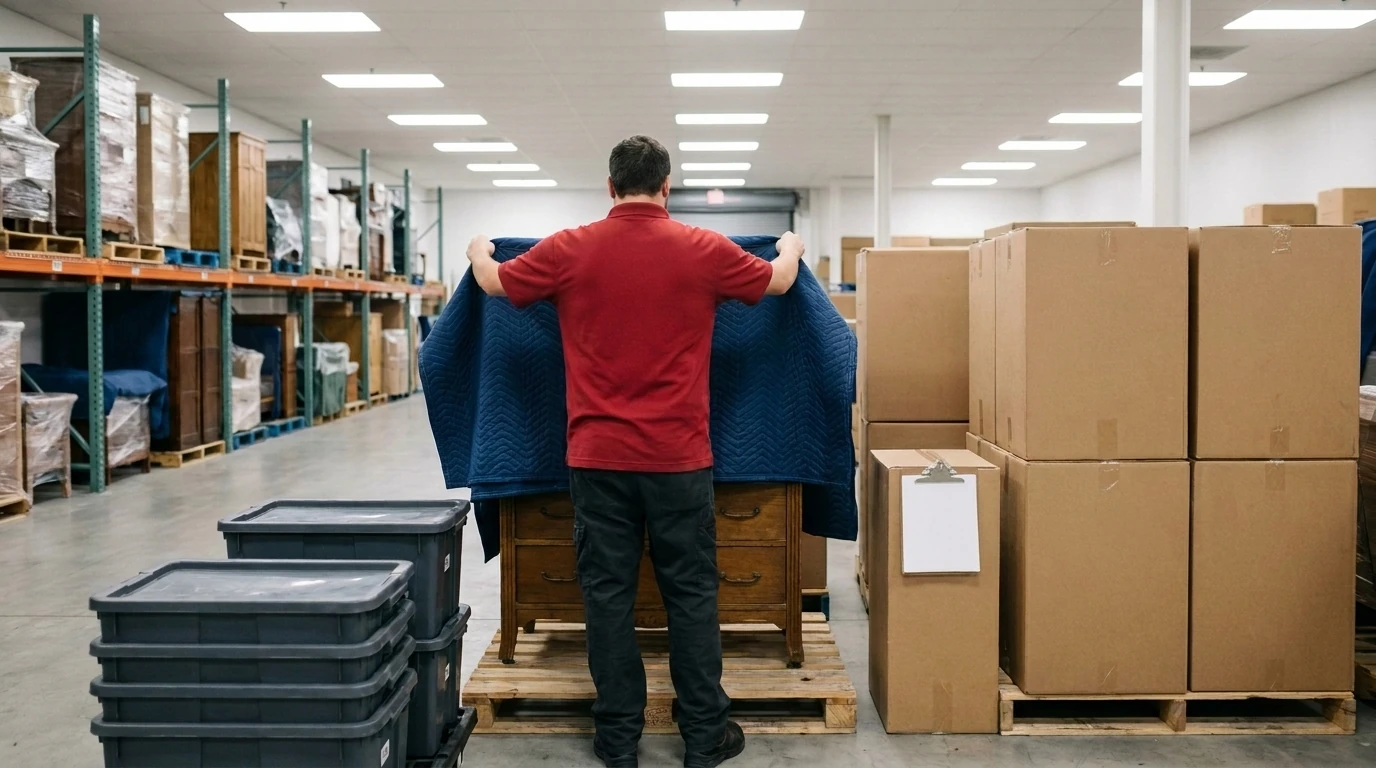
The work typically happens in three phases: pack-out (removing and inventorying items from the damaged property), restoration (cleaning, deodorizing, or drying items off-site), and pack-back (returning cleaned items once reconstruction is complete). For older Pittsburgh housing stock, where basements and first floors in neighborhoods like Mount Lebanon and Bethel Park often take the brunt of a water loss, getting contents out of the affected area quickly reduces secondary damage from mold or odor absorption.
A written inventory, usually with photos of each item’s condition, is the backbone of the process. It protects the homeowner if an insurer questions what was lost or damaged, and it gives the restoration crew a checklist to work against during pack-back.
What Happens During a Contents Pack-Out?
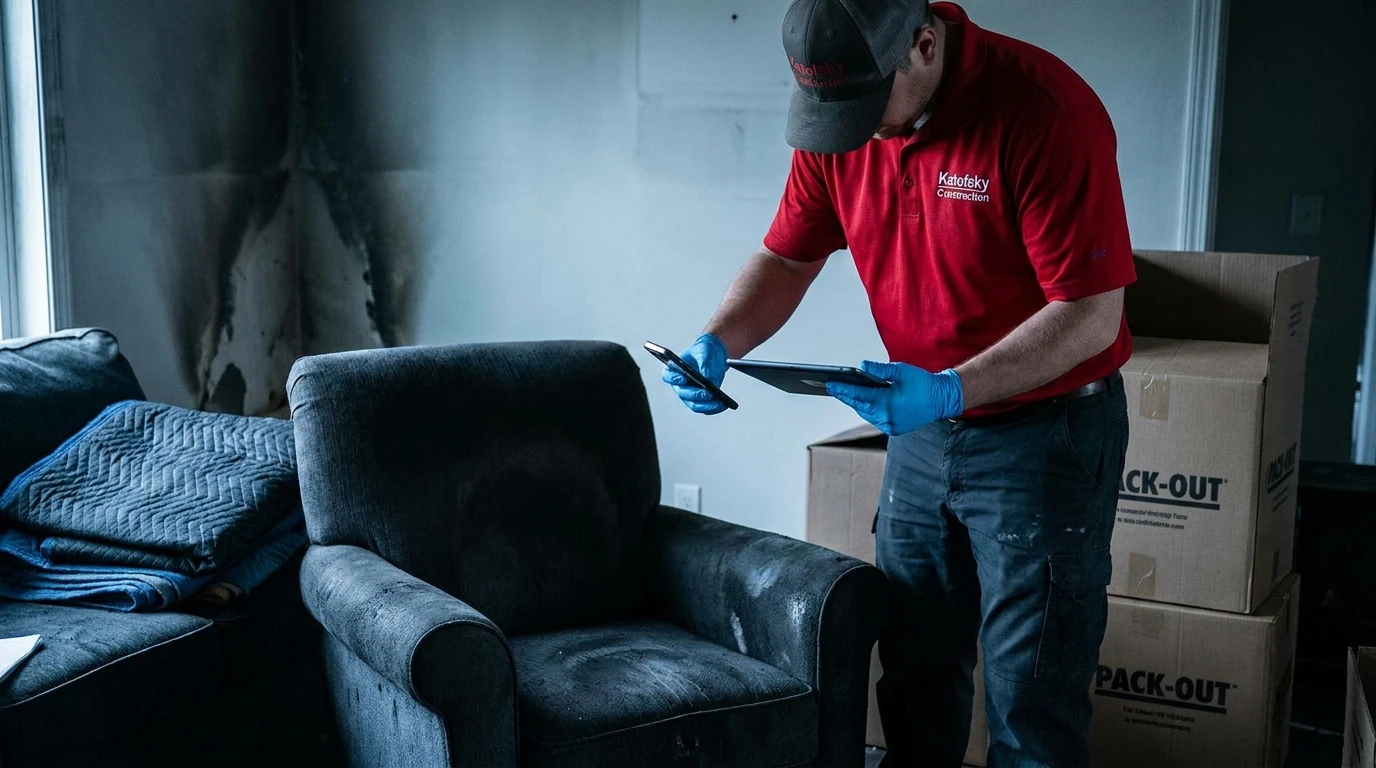
A pack-out starts with a room-by-room inventory and photo documentation before anything is moved, so there’s a clear record of each item’s pre-restoration condition. From there, crews sort belongings into categories: restorable, questionable, and total loss.
Items move through a few stages:
- Documentation. Every item is photographed and logged, often with a barcode or tag system for larger jobs.
- Sorting. Items are separated by material and damage type, since fabric, electronics, and wood each need different handling.
- Cleaning or treatment. Soft contents may go through specialty laundering or ultrasonic cleaning; hard contents get wiped down or treated for soot and odor.
- Climate-controlled storage. Restored and in-process items are held in a secure facility, protected from humidity swings that could reintroduce mold or warping.
- Pack-back. Once the structure passes inspection, items are returned and placed according to the original inventory.
For smoke-damaged belongings specifically, the cleaning process follows the same logic covered in our fire damage restoration process breakdown: soot is acidic and keeps degrading surfaces the longer it sits, so time matters as much as technique.
Will Insurance Cover Contents Restoration & Storage?
Most homeowners policies cover contents restoration and storage when personal belongings are damaged by a covered peril, such as a fire, a burst pipe, or a lightning strike. Sewage backup damage to contents is usually only covered if the policy includes a water backup (sewer/sump) endorsement; without that endorsement, sewage-related contents loss is typically excluded.
Many policies also include “loss of use” or additional living expense coverage, which can help offset short-term storage costs while a home is uninhabitable. The Insurance Information Institute outlines how standard policies structure personal property coverage, but every policy is different, so checking the declarations page before assuming coverage is worth the ten minutes it takes.
Documentation drives the claim. Photos taken before items are moved, a written inventory, and receipts for any emergency storage all support a faster, cleaner settlement. For a deeper look at how water losses are typically handled under a standard policy, see our guide on does homeowners insurance cover water damage.
Which Items Can Be Restored, and Which Get Replaced?
Most soft goods, documents, and hard contents can be restored if they’re treated within the first few days of a loss; items left wet or soot-covered longer than that have a much lower chance of recovery. Timing, not sentimentality, usually decides the outcome.
Electronics exposed to water damage often need professional assessment rather than a guess, since internal corrosion can start before any visible sign appears. Upholstered furniture and carpeting can frequently be saved through specialty cleaning, covered in more detail in our odor control and deodorization guide, but items with structural saturation (particleboard furniture, for example) usually aren’t worth restoring.
The biggest mistake homeowners make is deciding what to toss before a professional inventory happens. Once an item is thrown out, it’s harder to document for the insurance claim, and some items that look ruined are actually salvageable with the right cleaning method.
How Do You Get a Pack-Out Started in Pittsburgh?
Starting a contents pack-out means getting a trained crew on-site to inventory and stabilize belongings before further damage sets in, which usually happens within the first phase of a larger fire or water restoration job. The sooner contents are documented and removed from an actively drying or rebuilding structure, the better the restoration odds.
Katofsky Construction LLC handles contents restoration and storage as part of fire, smoke, and water loss jobs across Pittsburgh and surrounding communities including Monroeville, Mount Lebanon, and Penn Hills. Call Katofsky Construction LLC at (412) 304-9284 to schedule a contents assessment and get a written inventory started before more is lost to time.
The pack-out is often the part of a restoration job homeowners worry about least and regret skipping most. Getting it right early protects both your belongings and your insurance claim.
About Katofsky Construction LLC
Katofsky Construction LLC is an IICRC Certified Firm serving Pittsburgh, PA and the surrounding region, holding IICRC Water Damage Restoration Technician (WRT) and Applied Microbial Remediation Technician (AMRT) credentials and Pennsylvania Home Improvement Contractor license #090877 (verify at the Pennsylvania Office of Attorney General). The company operates a 24/7 line and handles contents restoration and storage alongside fire damage restoration, sewage cleanup, smoke damage restoration, and reconstruction work for homes and businesses throughout the Pittsburgh area.