TL;DR: General contracting for reconstruction and renovation means hiring one licensed contractor to manage the structural rebuild, permits, and finish work, whether that’s after storm, fire, or water damage or for a planned remodel. In Pittsburgh, that usually covers framing, drywall, flooring, cabinetry, and any code-required upgrades, coordinated so the finished scope matches what your insurer approved and what the local building code requires.
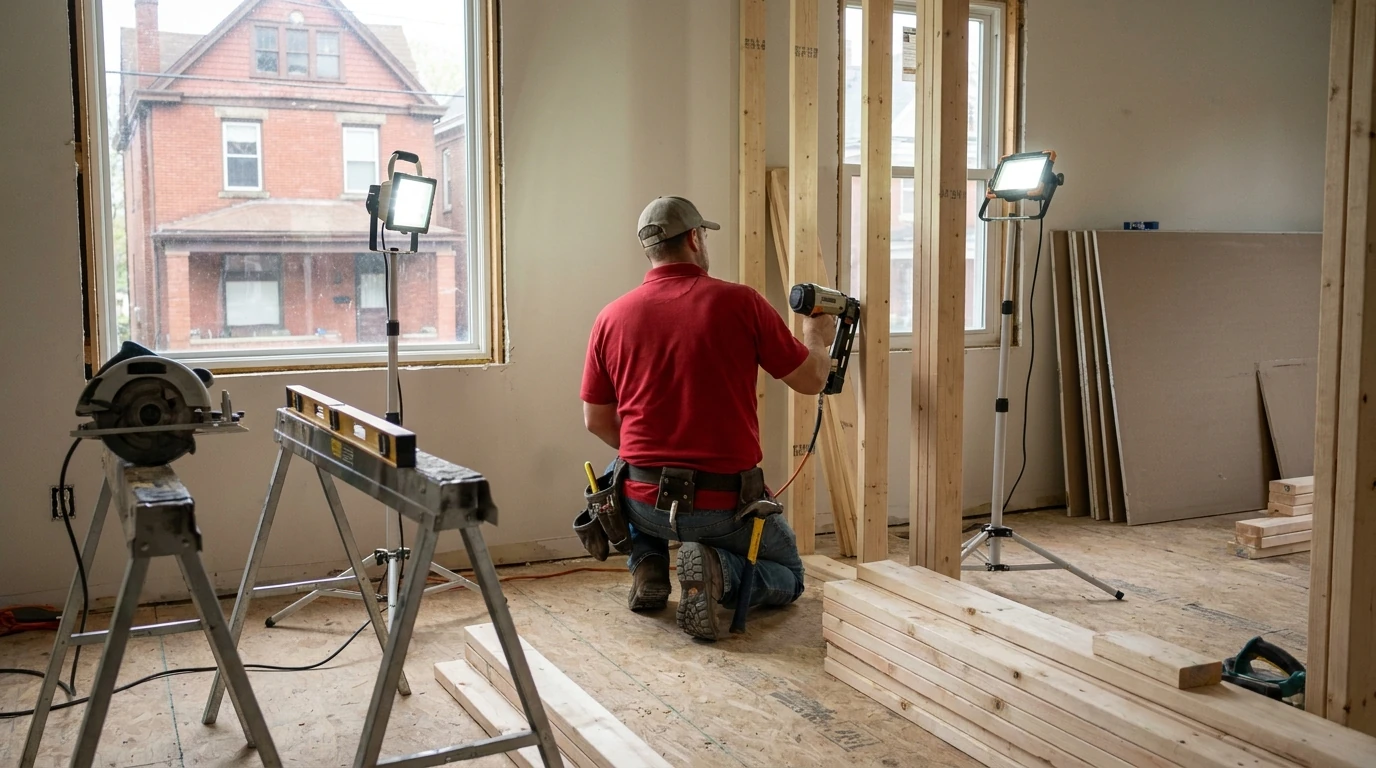
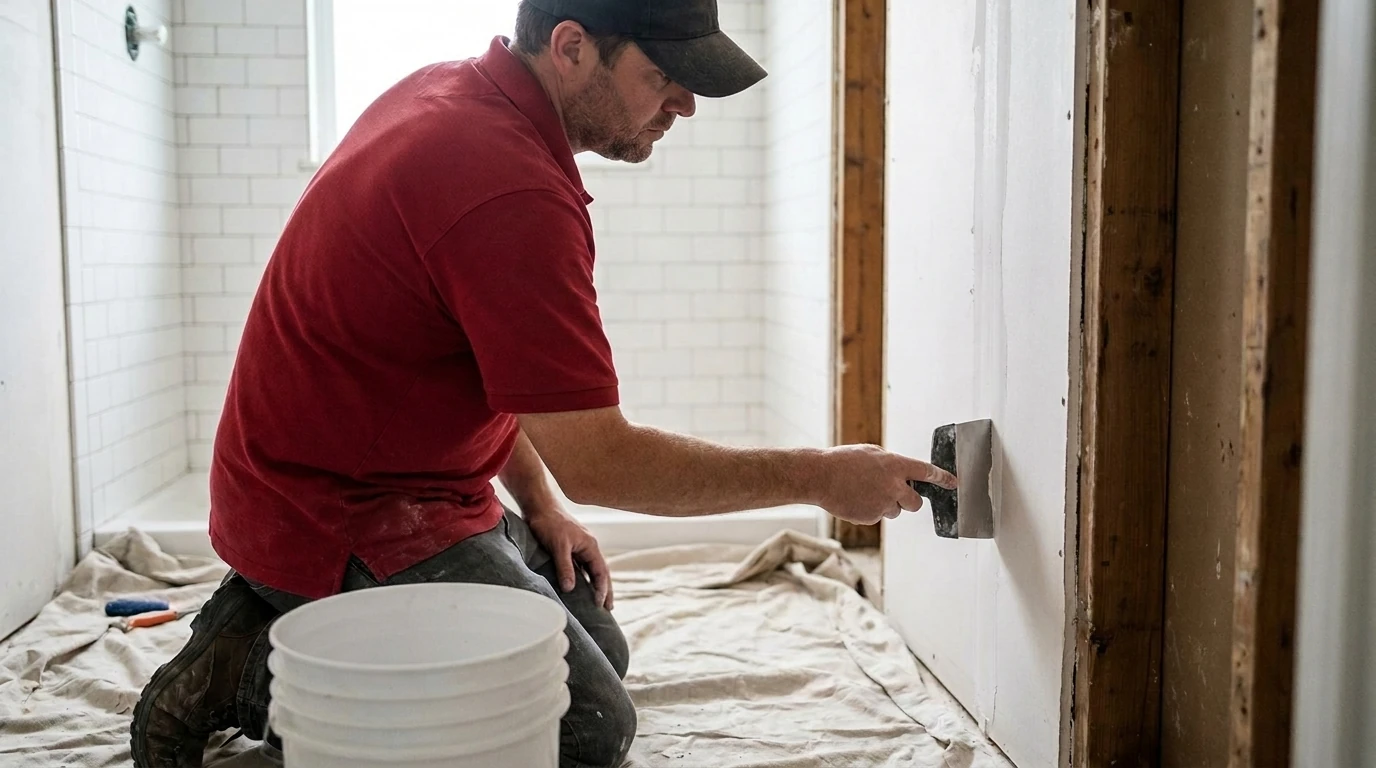
If the water extraction crew or fire mitigation team just left and you’re staring at open studs, missing drywall, or a kitchen stripped to the subfloor, you’re at the point where restoration ends and reconstruction begins. That’s a different skill set: framing, electrical rough-in, drywall hanging and finishing, flooring, cabinetry, trim, and paint. Older Pittsburgh housing stock, brick two-stories near Mount Lebanon’s business district, hillside foundations common around Fox Chapel, century homes along the rivers, adds its own wrinkles: balloon framing, plaster-and-lath walls that don’t patch like drywall, and foundations that shifted decades ago. A contractor who only does new-construction tract homes will miss those details. One who handles reconstruction regularly won’t.
What Does “General Contracting” Mean After a Restoration Job?
General contracting means one company holds the license, pulls the permits, and manages every trade needed to put the structure back together, so you’re not hiring a framer, an electrician, a drywall crew, and a flooring installer separately. The general contractor is the single point of accountability for schedule, code compliance, and quality.
After a covered loss, this phase starts once mitigation (drying, demolition of damaged materials, soot or odor treatment) is complete and the structure is stable enough to rebuild. The contractor works from the adjuster’s approved scope of work, a line-item estimate (often built in estimating software like Xactimate) that lists materials and labor for each room. A reconstruction contractor who regularly works restoration claims knows how to read that scope, flag anything missing, and avoid the back-and-forth that delays a rebuild by weeks.
For a planned renovation with no insurance claim involved, the process is similar minus the adjuster: you set the scope, agree on a written estimate, and the contractor manages permitting and the trade sequence from demo through final walkthrough.
What’s the Difference Between Reconstruction and Renovation?
Reconstruction rebuilds what was damaged back to its pre-loss condition (or better, if code requires an upgrade); renovation changes something that wasn’t damaged because you want it different. The distinction matters for both permitting and insurance.
Reconstruction after a covered loss is generally paid through the insurance claim, following the approved scope, same footprint, same basic layout, current materials. If you want to also widen a doorway, move a wall, or upgrade from laminate to hardwood while the room is already open, that’s renovation layered on top of the claim, and it’s typically an out-of-pocket add, billed separately from the insurance-covered portion. A good contractor itemizes the two so your insurer isn’t billed for upgrades it never approved.
Code upgrades are a middle case. If your home’s electrical panel or a bathroom’s GFCI protection doesn’t meet current code and the damaged area has to be reopened anyway, most policies with an ordinance or law endorsement will cover the upgrade cost. Without that endorsement, it may fall to you. Ask before work starts, not after the invoice arrives.
What Should You Look for in a Pittsburgh General Contractor After a Loss?
Look for a contractor who is registered as a Pennsylvania Home Improvement Contractor, carries liability insurance, and has handled insurance-scope reconstruction before, not just retail remodels. Pennsylvania requires home improvement contractors to register with the Office of Attorney General; you can verify any contractor’s registration number before signing anything.
Beyond registration, three things separate a smooth rebuild from a stalled one: a written, itemized estimate (not a verbal ballpark), a realistic permit timeline for your municipality (Pittsburgh proper, Plum, Penn Hills, and the surrounding boroughs each process permits on their own schedule), and familiarity with the International Code Council code edition your jurisdiction has adopted. Framing and electrical work that doesn’t pass inspection means tearing it back open, which costs more than doing it right once.
If your rebuild follows a fire, see our fire damage restoration process breakdown for how mitigation and reconstruction typically hand off. If it follows water damage, our water damage restoration guide covers the drying phase that comes before any rebuild starts.
How Does Insurance Work With the Reconstruction Phase?
Most homeowners policies pay for reconstruction in stages tied to work completed, not as one lump sum up front. Your insurer typically releases an initial payment after the scope is approved, then additional draws as the contractor documents completed phases, framing, rough-in, drywall, finishes, with photos and invoices.
Keep every estimate, change order, and invoice; your adjuster and your contractor both need the same paper trail. If a hidden issue turns up once walls are open (old knob-and-tube wiring, undersized joists, mold the mitigation crew didn’t find), the contractor should document it and submit a supplement to the adjuster before proceeding, not bill you for a surprise later. The Insurance Information Institute has a plain-language rundown of how claim settlements typically work if you want the full picture before your first adjuster call.
Our guide to choosing a restoration company covers questions worth asking before you sign with anyone for a claim-driven rebuild.
What’s the Next Step to Get a Reconstruction Estimate?
The next step is a walk-through: a contractor measures the damaged area, reviews your adjuster’s scope (if there is one), and gives you a written estimate before any demo or framing starts. Bring your insurance scope of work, photos from the mitigation phase, and any code concerns (older electrical, structural questions) to that first visit so the estimate reflects the real job, not a guess.
If you’re coordinating reconstruction after a water, fire, or storm claim in Pittsburgh or the surrounding communities, call Katofsky Construction LLC at (412) 304-9284 to schedule a walk-through and get a written scope before work begins.
About Katofsky Construction LLC
Katofsky Construction LLC is an IICRC Certified Firm serving Pittsburgh, PA and surrounding communities including Plum, Penn Hills, and Mount Lebanon. The company holds Pennsylvania Home Improvement Contractor registration #090877 and carries IICRC water (WRT) and mold (AMRT) certifications. This post was written with input from the Katofsky Construction team, led by Michael Katofsky, who oversees reconstruction and general contracting projects across the region.